What Is Coaching?
Understanding coaching, how it works, and how it can transform your life.
Understanding the Difference: Coaching vs. Psychology
While both coaching and psychology aim to improve human well-being, they operate on different timelines and with distinct objectives. Psychology and clinical therapy are primarily concerned with "healing," often looking toward the past to resolve traumas, diagnose mental health conditions, and help individuals move from a state of dysfunction to a baseline of health. Think of it as the "rehabilitation" of the mind. In contrast, coaching is a future-oriented partnership designed for high-functioning individuals who are already healthy but want to move from "functional" to "optimal." Coaching focuses on clarity, accountability, and strategic action, helping you bridge the gap between where you are now and where you want to be.
In professional development, the distinction often lies in the "Why" versus the "How." A psychologist might help you understand the deep-rooted origins of your work-related anxiety, whereas a coach helps you leverage Emotional Intelligence (EQ) to manage that stress and achieve peak performance in the present. While therapy provides the tools to understand your history, coaching provides the roadmap to transform your behaviors and master your future. For professionals dealing with workaholism or seeking better job engagement, coaching serves as a catalyst for growth, focusing on building new habits, enhancing leadership skills, and creating a balanced, high-quality life.
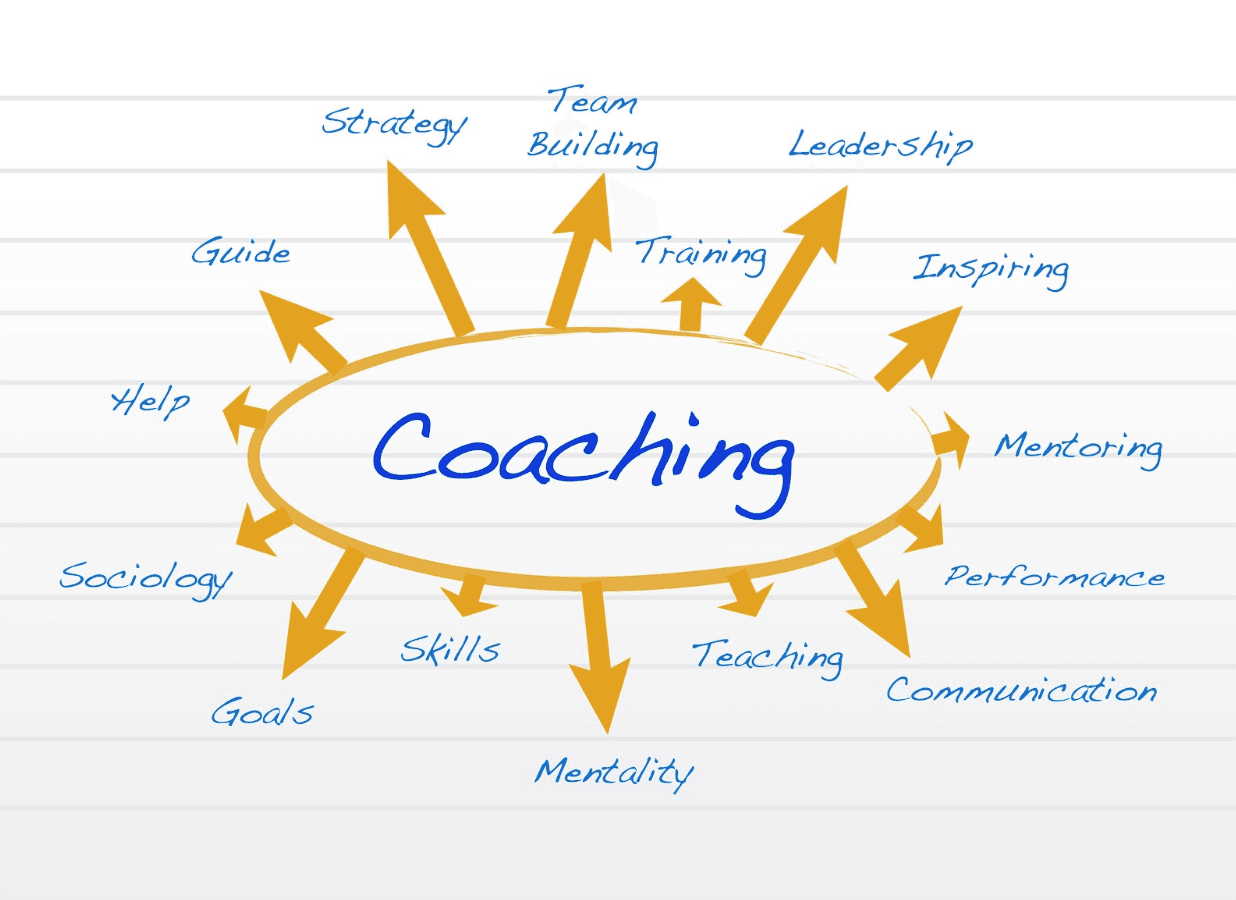
Frequently Asked Questions
Everything you need to know about coaching.